Spinal TB (Pott’s Disease)
Tuberculosis of the spine (Pott’s disease) is treatable — especially when diagnosed early and managed to prevent deformity and nerve damage.
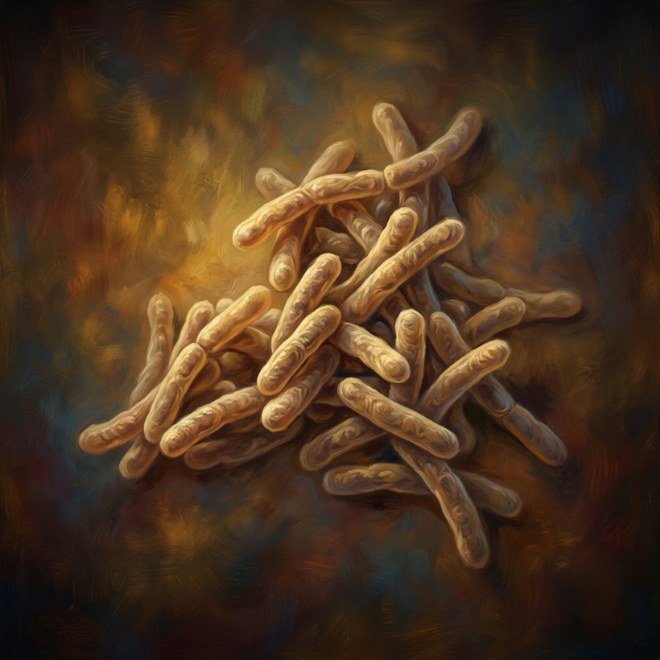
What is spinal TB?
Spinal tuberculosis, or Pott’s disease, is a TB infection of the vertebrae and discs. It can develop slowly and, if missed, lead to deformity and nerve compression. India has a high burden of spinal TB, so awareness and early diagnosis are especially important.
Symptoms
- Persistent back pain, often worse at night
- Low-grade fever, night sweats and weight loss
- Localised tenderness or a developing deformity
- Leg weakness or numbness in advanced cases
Diagnosis & treatment
An MRI is the key early investigation, with a biopsy to confirm the diagnosis. The foundation of treatment is a full, supervised course of anti-tubercular therapy. Surgery is added when there is nerve compression, instability or deformity, to protect function and support healing.
Learn more on the Spinal Infection & TB service page.
Frequently asked questions
Yes — with early diagnosis and a complete course of anti-tubercular therapy, the outlook is very good.
No. Many patients are treated with medication alone; surgery is reserved for nerve compression, deformity or instability.
Back pain with fever or weight loss?
Early assessment matters. An MRI and expert review can detect spinal infection before it causes harm.