Scoliosis & Deformity Correction
Comprehensive evaluation and correction of scoliosis, kyphosis and post-infective or traumatic deformity — using 3-D planning and intra-operative neuromonitoring for precise, balanced alignment.
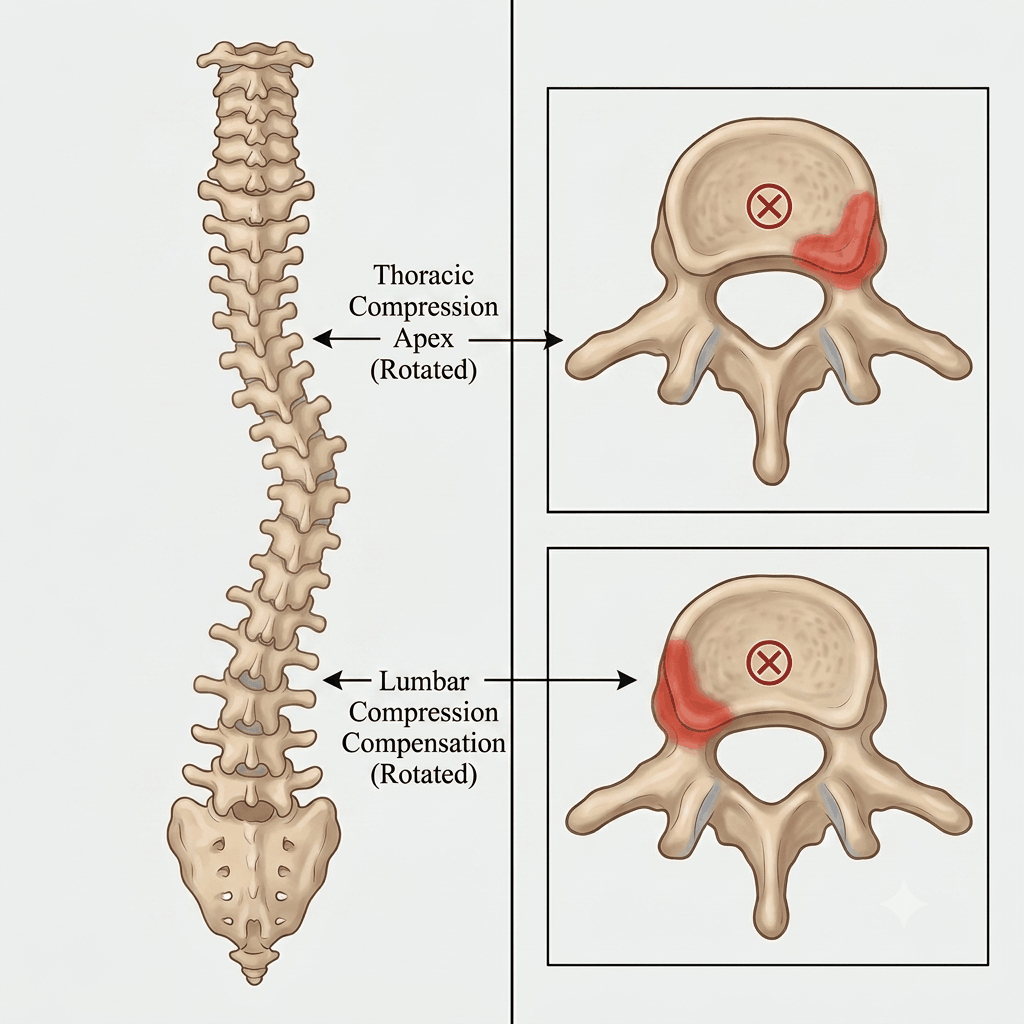
Understanding spinal deformity
Scoliosis is a sideways curvature of the spine; kyphosis is an excessive forward rounding. Deformity can appear in growing children, arise from congenital differences, or develop later from degeneration, infection or trauma. Left unassessed, larger curves can affect posture, comfort and — rarely — breathing.
Types Dr. Sivaraj treats
- Adolescent idiopathic scoliosis
- Congenital and Chiari-related scoliosis
- Post-tubercular and post-infective kyphosis
- Adult degenerative deformity
Diagnosis & assessment
Treatment approach
Non-surgical
- Monitoring for small, stable curves
- Bracing for growing children with moderate, progressing curves
- Physiotherapy to maintain strength and posture
Surgical correction (for significant or progressing curves)
- 3-D pre-operative planning for precise correction
- Intra-operative neuromonitoring to protect the spinal cord
- Modern instrumentation to realign and stabilise the spine while preserving balance
Recovery & outlook
Surgical correction is carefully planned and monitored. Most patients stand and walk within a day or two and return to school, work and gradually to activity over the following weeks, with a straighter, more balanced and comfortable spine.
Frequently asked questions
It depends on the curve type, the patient’s age and whether it is progressing. Many curves are simply monitored or braced. Dr. Sivaraj discusses the specific threshold and reasoning for each patient.
Modern correction uses 3-D planning and continuous neuromonitoring to protect the spinal cord, making it a well-established and safe procedure in experienced hands.
Yes — degenerative scoliosis can develop later in life and is treated based on symptoms, balance and nerve involvement.
Worried about a spinal curve?
Have your or your child’s spine assessed by a fellowship-trained deformity surgeon in Salem.