Blog

  • Scoliosis in Children: Early Signs Parents Should Not Ignore

    Scoliosis in Children: Early Signs Parents Should Not Ignore

    Scoliosis — a sideways curve of the spine — most often develops during the growth spurts of childhood and adolescence. Because it is usually painless in the early stages, it can be easy to miss. Knowing the early signs helps you catch it when it is most treatable.

    What is scoliosis?

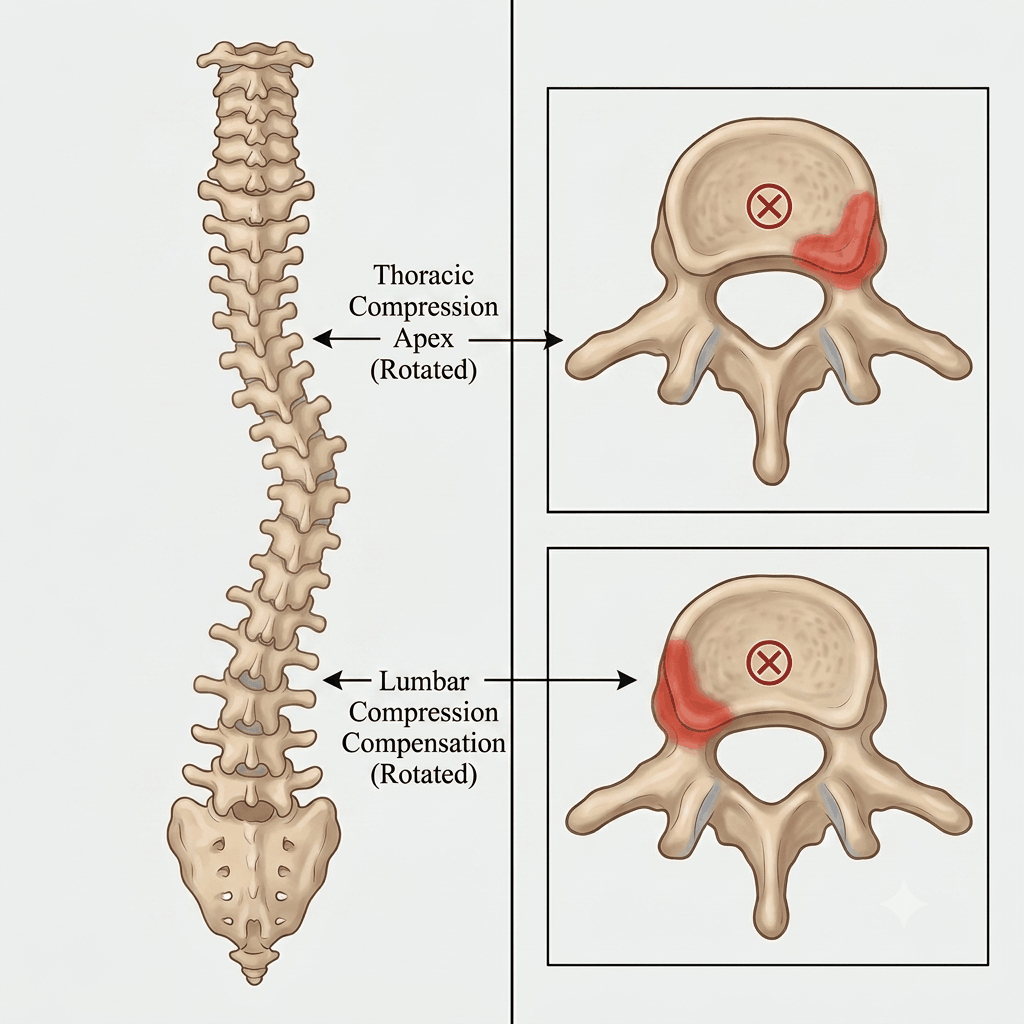
    Scoliosis is an abnormal side-to-side curve of the spine. In most children the cause is unknown (called idiopathic scoliosis), and it tends to become noticeable between the ages of 10 and 15 as a child grows quickly.

    Early signs parents can look for

    • One shoulder appears higher than the other
    • One shoulder blade sticks out more than the other
    • The waist looks uneven, or the hips appear tilted
    • Clothes hang unevenly, or a hemline sits crooked
    • The body leans slightly to one side
    • When the child bends forward, one side of the back looks higher than the other

    A simple check at home

    Ask your child to stand straight, then bend forward from the waist with arms hanging down (the “forward bend test”). Looking from behind, if one side of the back or ribcage is more prominent, it is worth having a specialist take a look.

    Why early detection matters

    Many mild curves simply need monitoring as the child grows. Detecting a curve early gives the best chance to guide it with observation or bracing, and to plan carefully if a curve is progressing — before it becomes severe.

    How is it treated?

    Treatment depends on the size of the curve and how much growing your child has left. Options range from regular monitoring and bracing for moderate curves to carefully planned surgery for larger, progressing curves, using modern techniques and monitoring for safety.

    The bottom line

    Scoliosis is very manageable, especially when caught early. If you notice any of the signs above, a quick specialist check is the best next step.

    If you are concerned about your child’s back or posture, Dr. S. Sivaraj assesses and treats paediatric and adult scoliosis in Salem. Call or WhatsApp +91 98940 98701 to book.

    This article is general information and not a substitute for personalised medical advice.

  • When Should You See a Spine Surgeon for Back Pain? 7 Warning Signs

    When Should You See a Spine Surgeon for Back Pain? 7 Warning Signs

    Back pain is incredibly common, and the vast majority of episodes settle within a few weeks with simple measures. But certain symptoms are a signal that you should have your spine assessed by a specialist. Here are seven.

    1. Pain that travels down your leg

    Pain, tingling or numbness that radiates from your back into the buttock, leg or foot can indicate nerve irritation — such as sciatica from a disc problem.

    2. Weakness in a leg or foot

    Difficulty lifting your foot, frequent tripping, or a leg that feels weak suggests a nerve may be under pressure and should be checked promptly.

    3. Numbness or loss of control (an emergency)

    Numbness around the groin or inner thighs, or any loss of bladder or bowel control, needs emergency attention — do not wait.

    4. Pain that is worse at night or at rest

    Back pain that wakes you at night or does not ease with rest deserves evaluation, as it can occasionally point to an underlying condition that needs treatment.

    5. Fever or unexplained weight loss

    Back pain with fever, night sweats or unexplained weight loss should always be assessed, as it can indicate infection (including spinal TB) or another serious cause.

    6. Pain after a fall or accident

    New back pain after trauma — a fall, a road accident, or in older adults even a minor stumble — may indicate a fracture and should be examined.

    7. Pain that just will not settle

    If your back pain has not improved after 6 weeks of sensible care, a specialist assessment can identify the cause and get you on the right path.

    The bottom line

    Most back pain is not dangerous. But if any of these warning signs apply to you, an accurate diagnosis brings peace of mind and the fastest route to relief.

    If your back pain ticks any of these boxes, Dr. S. Sivaraj provides expert spine assessment in Salem. Call or WhatsApp +91 98940 98701 to book a consultation.

    This article is general information and not a substitute for personalised medical advice.

  • Do You Really Need Surgery for a Herniated (Slipped) Disc?

    Do You Really Need Surgery for a Herniated (Slipped) Disc?

    Being told you have a herniated or “slipped” disc can sound alarming — and many people assume it means surgery. In reality, the large majority of disc herniations settle without an operation. Here is how to know where you stand.

    What is a herniated disc?

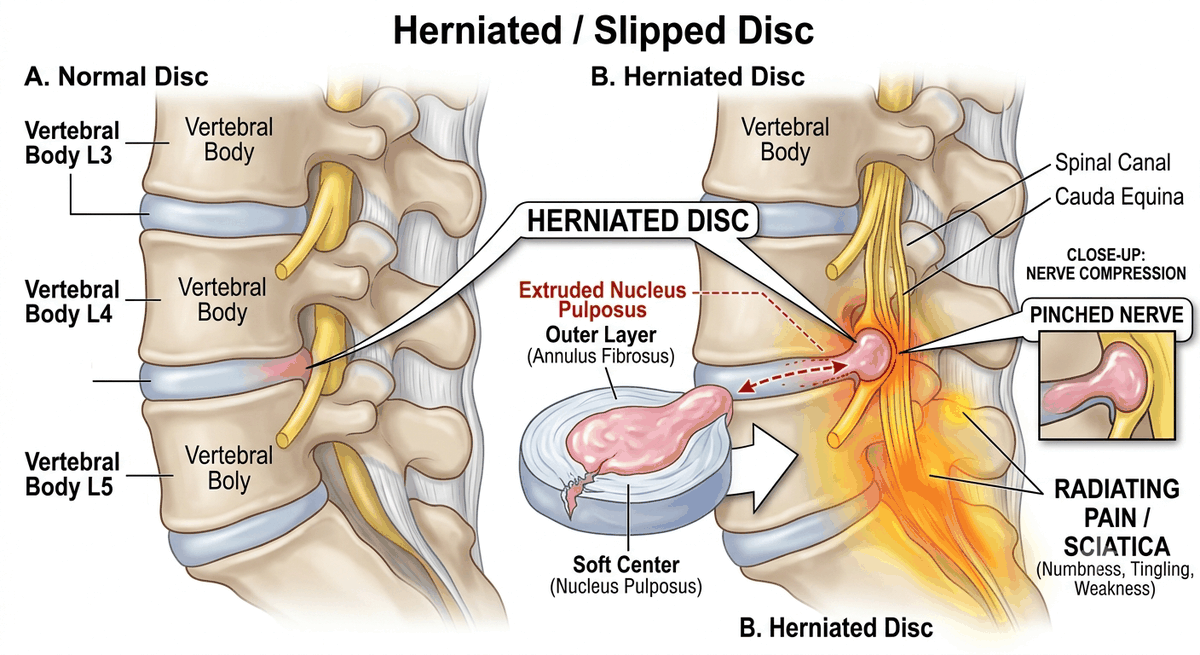
    The discs between your vertebrae act as cushions. When the soft centre of a disc pushes through its tougher outer layer, it can press on a nearby nerve, causing back pain, leg pain, tingling or numbness. It is extremely common and often happens without any dramatic injury.

    Most herniated discs heal on their own

    Most herniated discs improve over weeks to a few months as the body naturally reabsorbs the displaced disc material and the inflammation settles. First-line treatment is almost always non-surgical: staying active, physiotherapy, activity modification and, where helpful, a targeted injection.

    When is surgery actually needed?

    Surgery is considered in a minority of cases, usually when:

    • Leg pain is severe and persistent despite several weeks of proper non-surgical care
    • There is significant or worsening muscle weakness
    • Nerve compression is causing numbness around the groin, or loss of bladder or bowel control (a medical emergency)
    • Symptoms seriously limit your work and daily life

    What does the surgery involve?

    The most common procedure removes the fragment of disc that is pressing on the nerve, relieving the leg pain. It is a well-established operation, and most patients notice rapid relief of their nerve pain afterwards, followed by a guided return to normal activity.

    The bottom line

    A herniated disc is rarely a reason to rush into surgery. The right first step is an accurate diagnosis and a clear, honest explanation of your options — with surgery recommended only when it genuinely offers the best outcome.

    Worried about a slipped disc? Dr. S. Sivaraj will assess your scans, explain your options plainly, and recommend surgery only when it is truly needed. Call or WhatsApp +91 98940 98701 to book.

    This article is general information and not a substitute for personalised medical advice.
  • How Long Does Sciatica Take to Heal? A Spine Surgeon Explains

    How Long Does Sciatica Take to Heal? A Spine Surgeon Explains

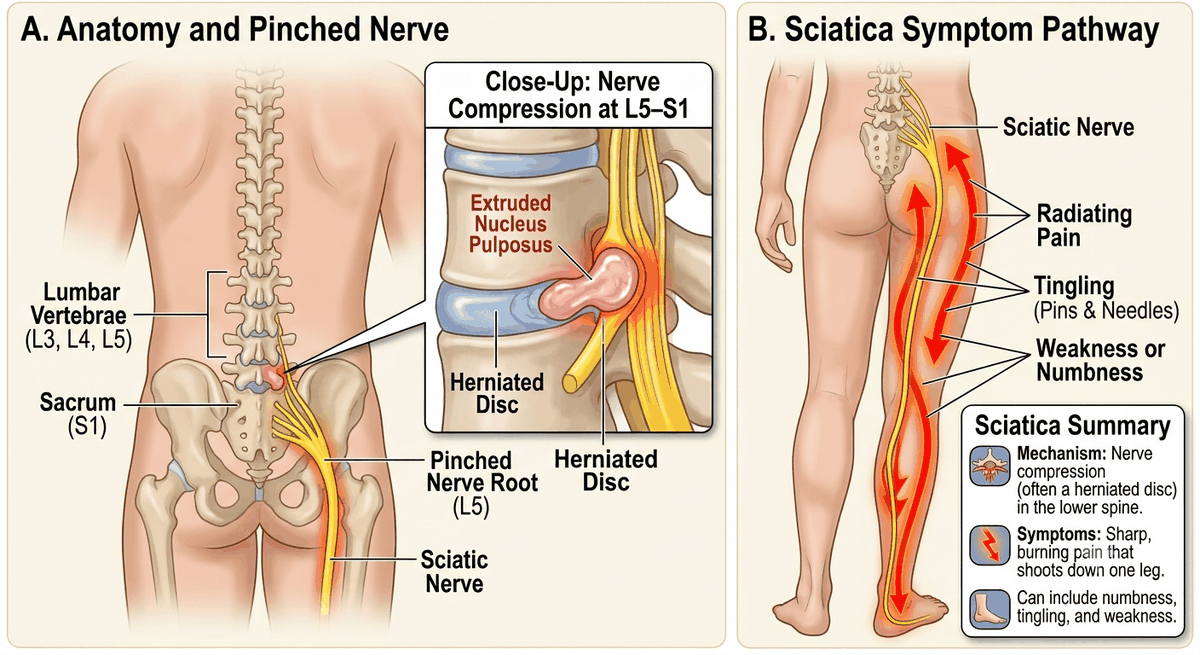
    Sciatica — the sharp, radiating pain that travels from your lower back down through the buttock and leg — is one of the most common reasons people look for a spine specialist. The good news: most cases settle on their own with time and the right care. Here is what to expect.

    What causes sciatica?

    Sciatica is a symptom, not a diagnosis. It happens when something — most often a herniated (slipped) disc or age-related narrowing of the spine — presses on or irritates a nerve root in the lower back. That irritation sends pain, tingling or numbness along the path of the sciatic nerve.

    How long does sciatica usually last?

    For most people, sciatica improves significantly within 4 to 6 weeks, and many feel back to normal within 6 to 12 weeks. Mild flare-ups can settle in a few days. A smaller number of cases are more stubborn and last longer, especially when the underlying cause is not addressed.

    Recovery is rarely a straight line — you may have good days and bad days as the inflamed nerve calms down. This is completely normal.

    What helps sciatica heal faster?

    • Staying gently active — long bed rest actually slows recovery
    • A guided physiotherapy programme to ease pressure on the nerve and strengthen the core
    • Short-term pain relief and anti-inflammatory measures as advised by your doctor
    • Good posture and avoiding prolonged sitting or heavy lifting during flare-ups
    • In select cases, a targeted injection to calm a severely inflamed nerve

    When should you see a spine surgeon?

    Most sciatica never needs surgery. But you should seek prompt medical advice if you have leg weakness that is getting worse, numbness around the groin, loss of bladder or bowel control, or severe pain that is not improving after several weeks. These can signal significant nerve compression that needs assessment.

    The bottom line

    Sciatica is usually a self-limiting problem that improves with patience and the right care. If your pain is severe, persistent, or comes with weakness, an accurate diagnosis is the fastest route to lasting relief.

    If sciatica is affecting your daily life, Dr. S. Sivaraj offers expert assessment and personalised, mostly non-surgical care in Salem. Call or WhatsApp +91 98940 98701 to book a consultation.

    This article is general information and not a substitute for personalised medical advice.